


 Order via WhatsApp
Description
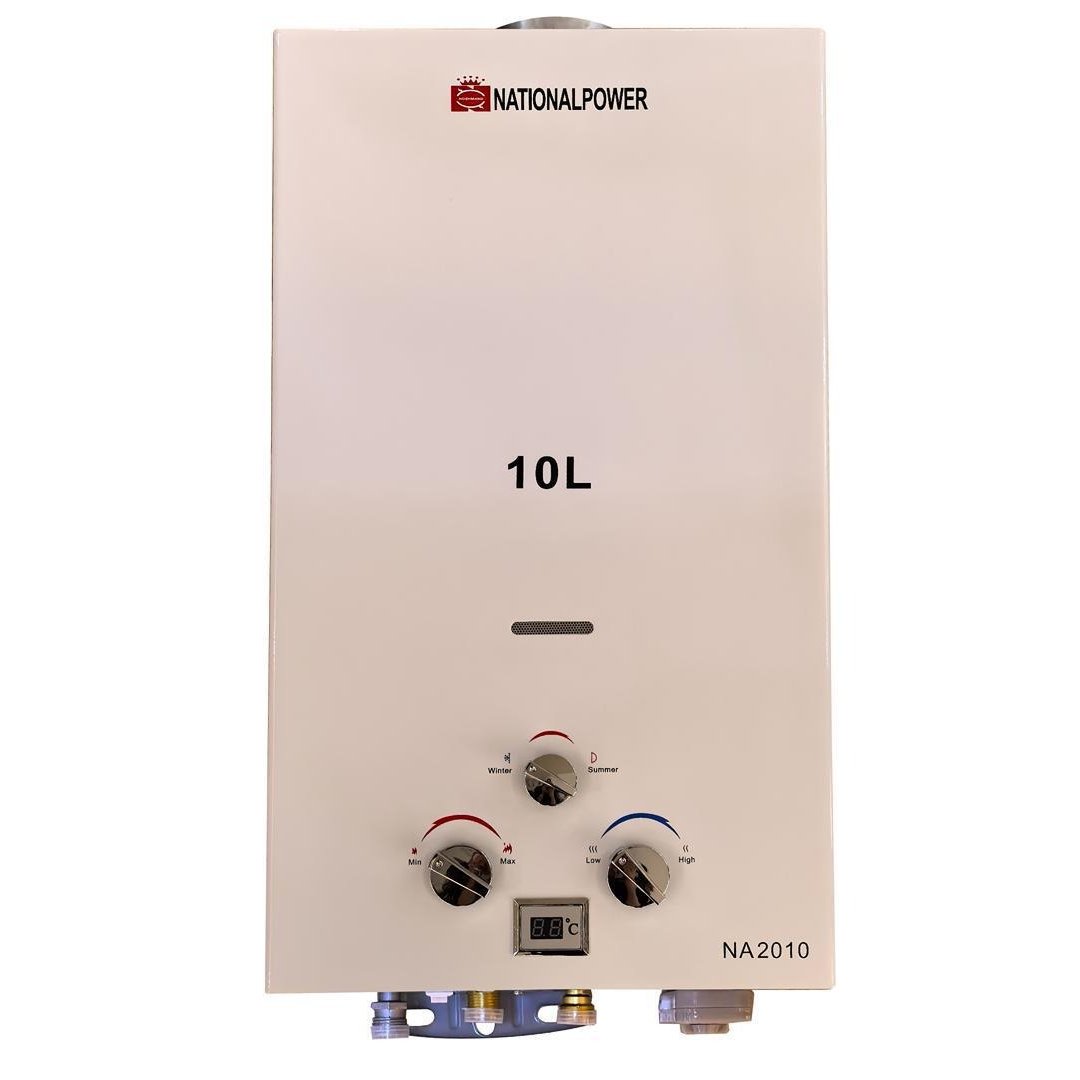
🔹 Important Specifications When Buying
When choosing a portable water heater, pay attention to:
-
Water flow rate (liters per minute) – higher flow means stronger water pressure and faster heating.
-
Heating power (BTU or kW) – higher means more heating capacity.
-
Minimum water pressure required – choose a low-pressure model if your water source is weak.
-
Temperature rise (∆T) – difference between cold inlet and hot outlet water.
-
Safety features – such as flame failure, overheat protection, anti-freeze, and automatic shut-off.
-
Ignition method – usually battery-powered or manual spark.
-
Weight and size – should be light and compact for camping.
-
Material and durability – corrosion-resistant and heat-resistant body.
🔹 Advantages
Advantages:
-
Instant and endless hot water
-
Lightweight and portable
-
Energy efficient (no standby heating)
-
Ideal for camping, gardens, outdoor showers, and off-grid use
-
🔹 Safety Tips
-
Always use the heater in open or well-ventilated areas.
-
Never operate inside a tent or closed room.
-
Use approved regulators and hoses only.
-
Before use, check for gas leaks with soapy water.
-
After use, turn off the gas and drain the heater.
-
In cold climates, use anti-freeze protection or drain all water from the system.


Reviews
There are no reviews yet.