


 Order via WhatsApp
Description
Advantages and Benefits
-
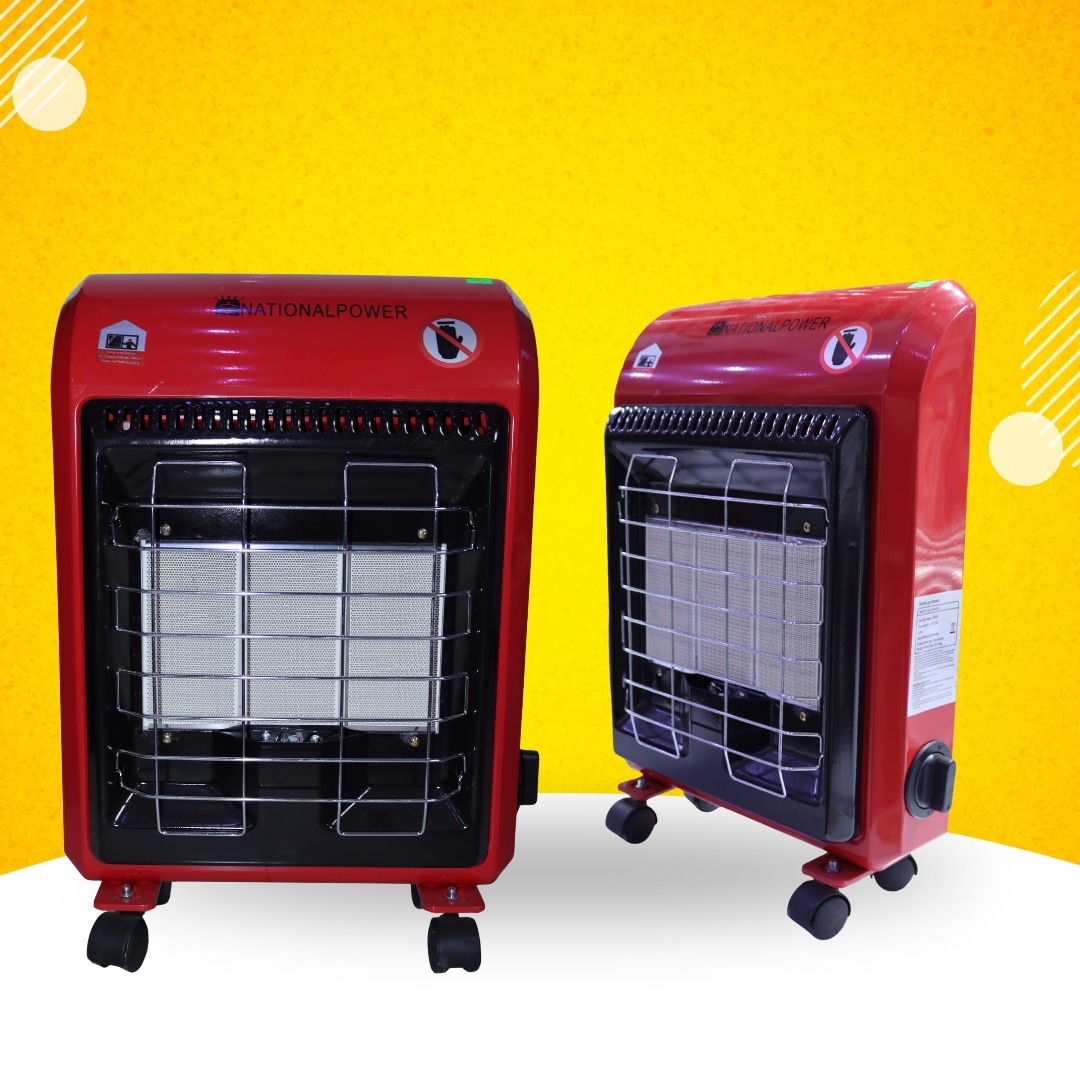
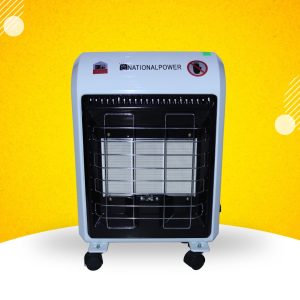
Instant warmth: Radiant heat warms objects and people directly
-
Energy-efficient for spot heating
-
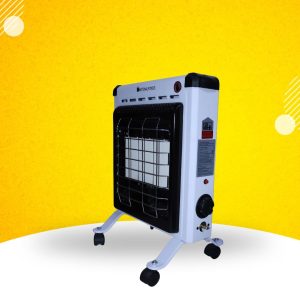
Portable: Can be easily moved where needed
-
No electric heating elements (in some models), reducing certain failure risks
Risks, Limitations, and Safety Tips
-
Indoor air quality: Combustion produces CO (carbon monoxide), water vapor, and NOₓ gases — unsafe without proper ventilation
-
Oxygen depletion: Some models include ODS sensors that shut off the heater if oxygen levels drop
-
Keep safe distance: Maintain clear space from walls, curtains, or furniture
-
Tip-over safety: Should automatically shut off if the heater falls over
-
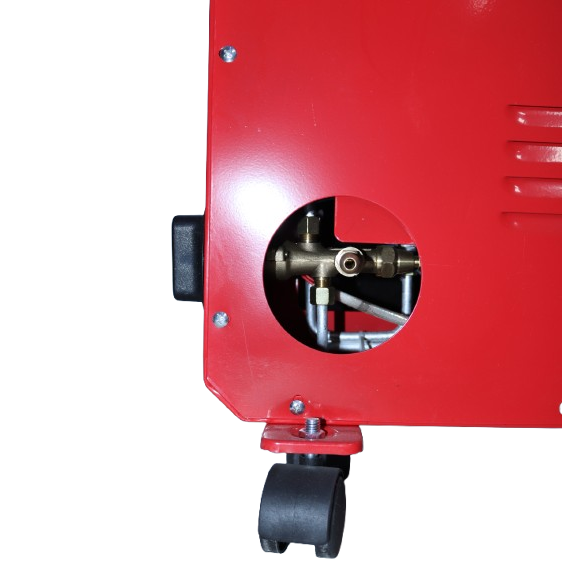
Proper gas pressure: Always use the correct regulator for LPG or propane
-
Ventilation: Some models require venting; others are sealed-combustion types
-
Local regulations: Follow your local gas and fire safety standards
-
Maintenance: Regular cleaning of vents, reflectors, and safety sensors ensures performance and safety
What to Consider When Choosing a Model
-
Certified for indoor or home use
-
Compatible with your gas type (LPG, propane, natural gas)
-
Equipped with complete safety systems
-
Meets clearance and ventilation requirements
-
Suitable heating power for your room size
-
Easy to move (handles, wheels)
-
Made from heat-resistant, durable materials
-
Simple maintenance and available spare parts
-
Backed by manufacturer or supplier support
-
Complies with local safety and gas standards






Reviews
There are no reviews yet.