



 Order via WhatsApp
Description
1. Natural Dyeing
Natural dyes are derived from plants, roots, tree bark, and minerals.
Some common natural dyes used in Afghan carpets include:
-
Red: From madder root or henna
-
Blue: From indigo
-
Yellow: From onion skins or saffron
-
Brown: From walnut husk or oak bark
These natural dyes fade gradually over time but never completely disappear, creating a unique and timeless beauty.
2. Designs and Motifs
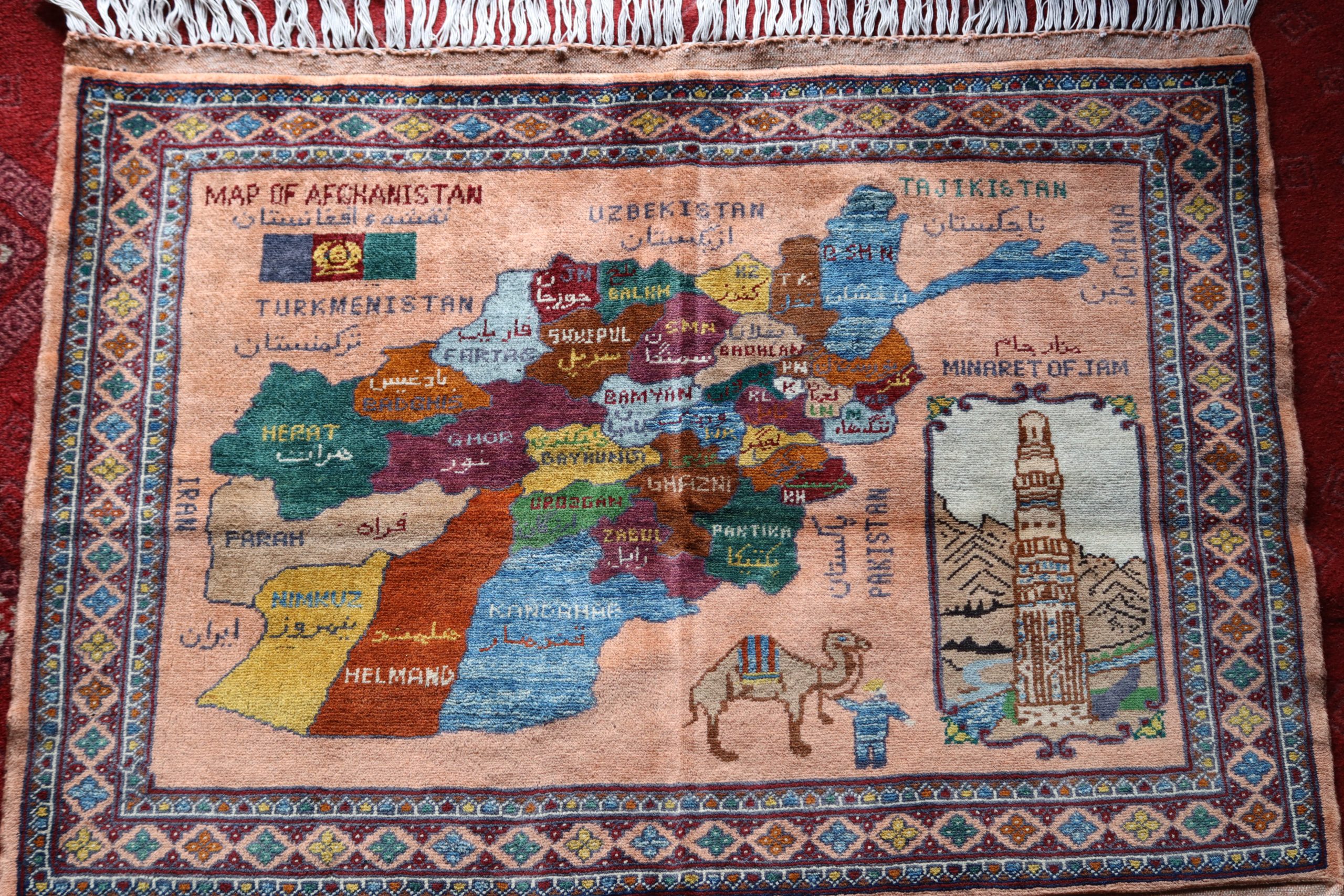
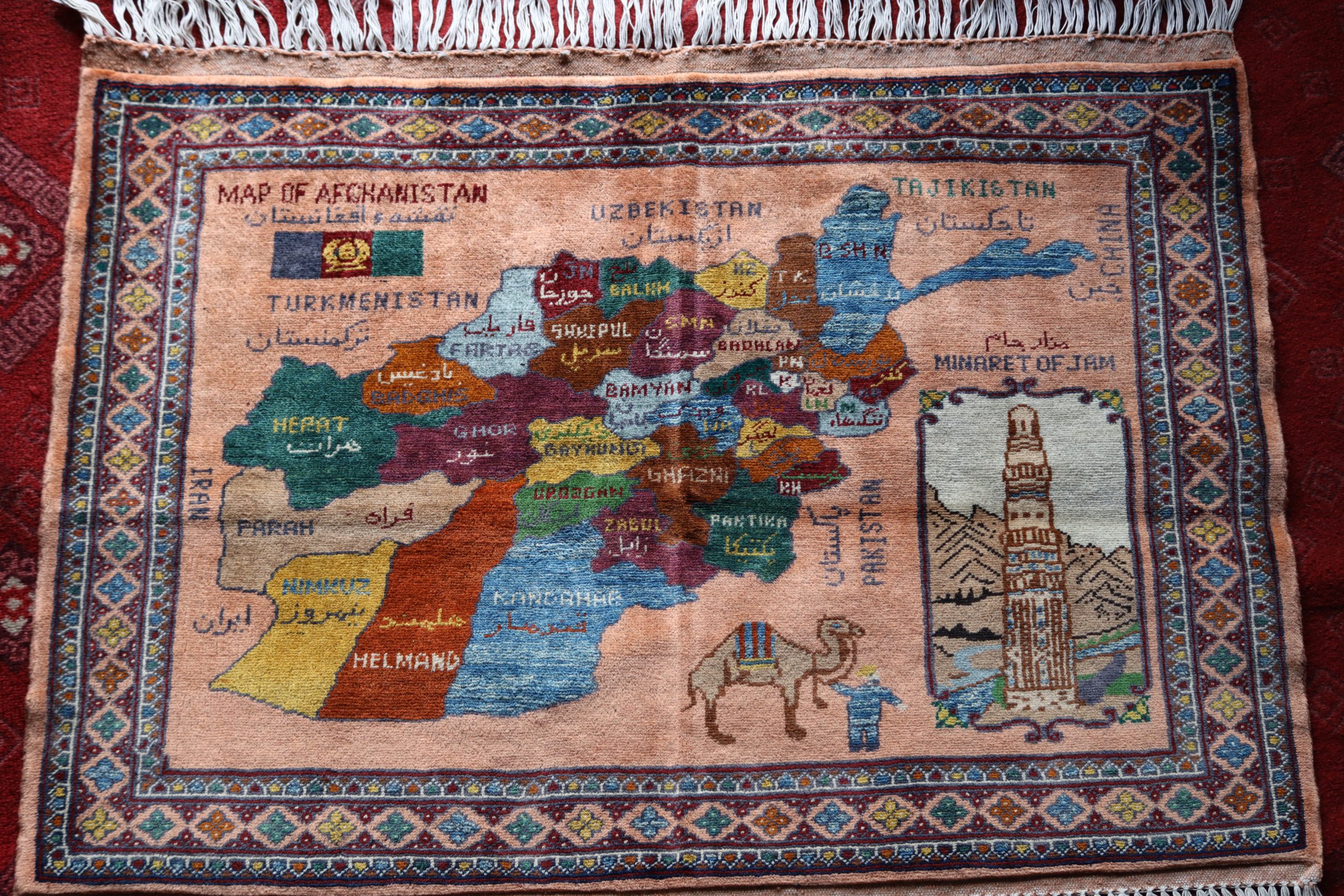
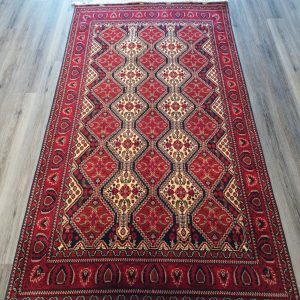
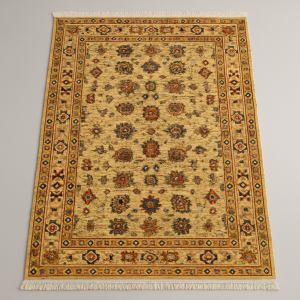
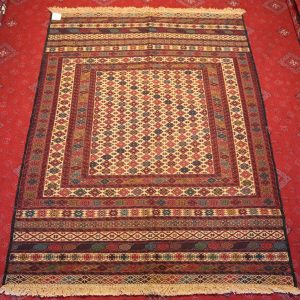
Afghan carpets often feature geometric, tribal, and symbolic patterns.
Some of the well-known designs include:
-
Baluchi Design: Known for darker colors (black, deep red, dark blue)
-
Turkmen Design (linked to Turkmenistan carpets): Often features floral or mihrab (prayer niche) patterns
-
Hazara Design: Characterized by lighter colors and abstract motifs
3. Weaving Regions
Some well-known carpet weaving regions in Afghanistan include:
-
Balkh (Mazar-i-Sharif)
-
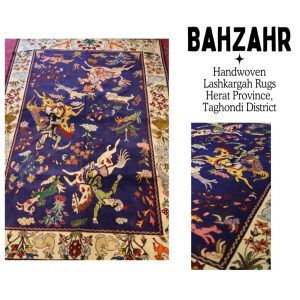
Herat
-
Kandahar
-
Nimroz and Farah (noted for Baluchi carpets)
-
Bamyan and Daikundi (known for Hazara weavings)
4. Usage and Value
These carpets are used as floor coverings, cushions, prayer rugs, and even for decorative embroidery (such as surma dozi).
Due to their handwoven nature and the use of natural materials, they hold high artistic and economic value.
Afghan carpets are highly appreciated in global markets, particularly in Pakistan, Iran, and across Europe.

Reviews
There are no reviews yet.