


 Order via WhatsApp
Description
-
Materials:
-
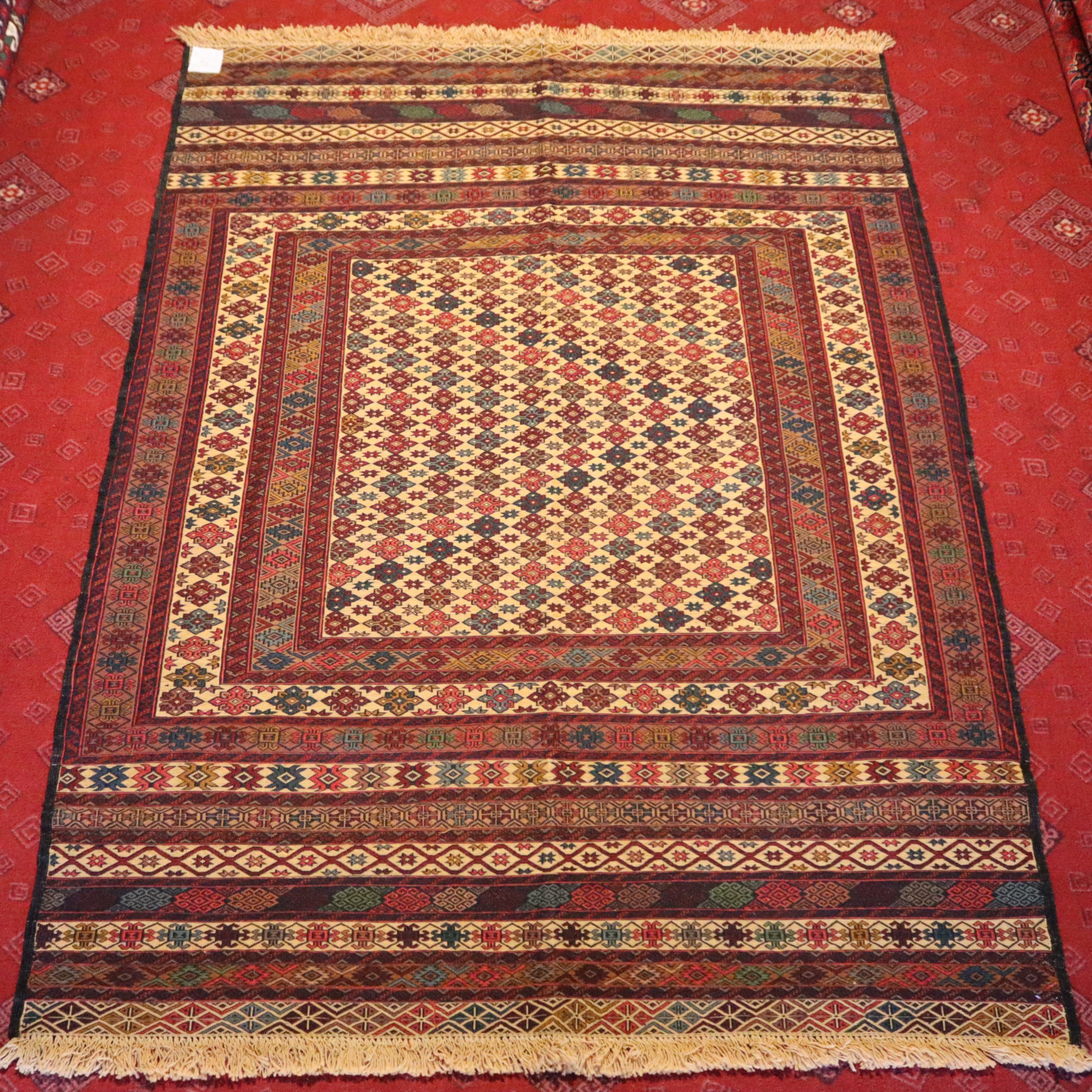
Made from high-quality sheep wool (sometimes goat hair or cotton for finer details).
-
Natural dyes (plant and mineral-based) with excellent colorfastness.
-
-
Patterns and Motifs:
-
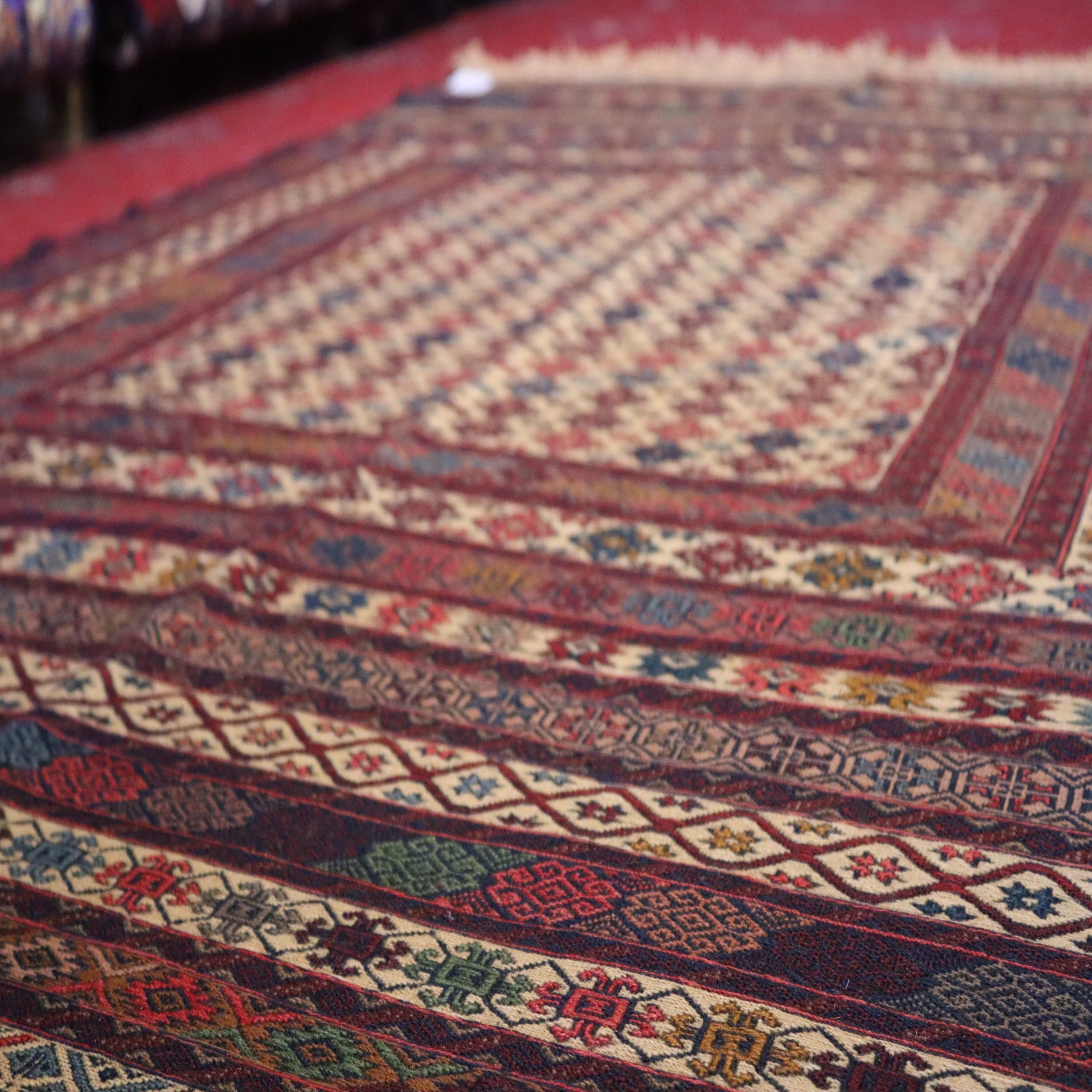
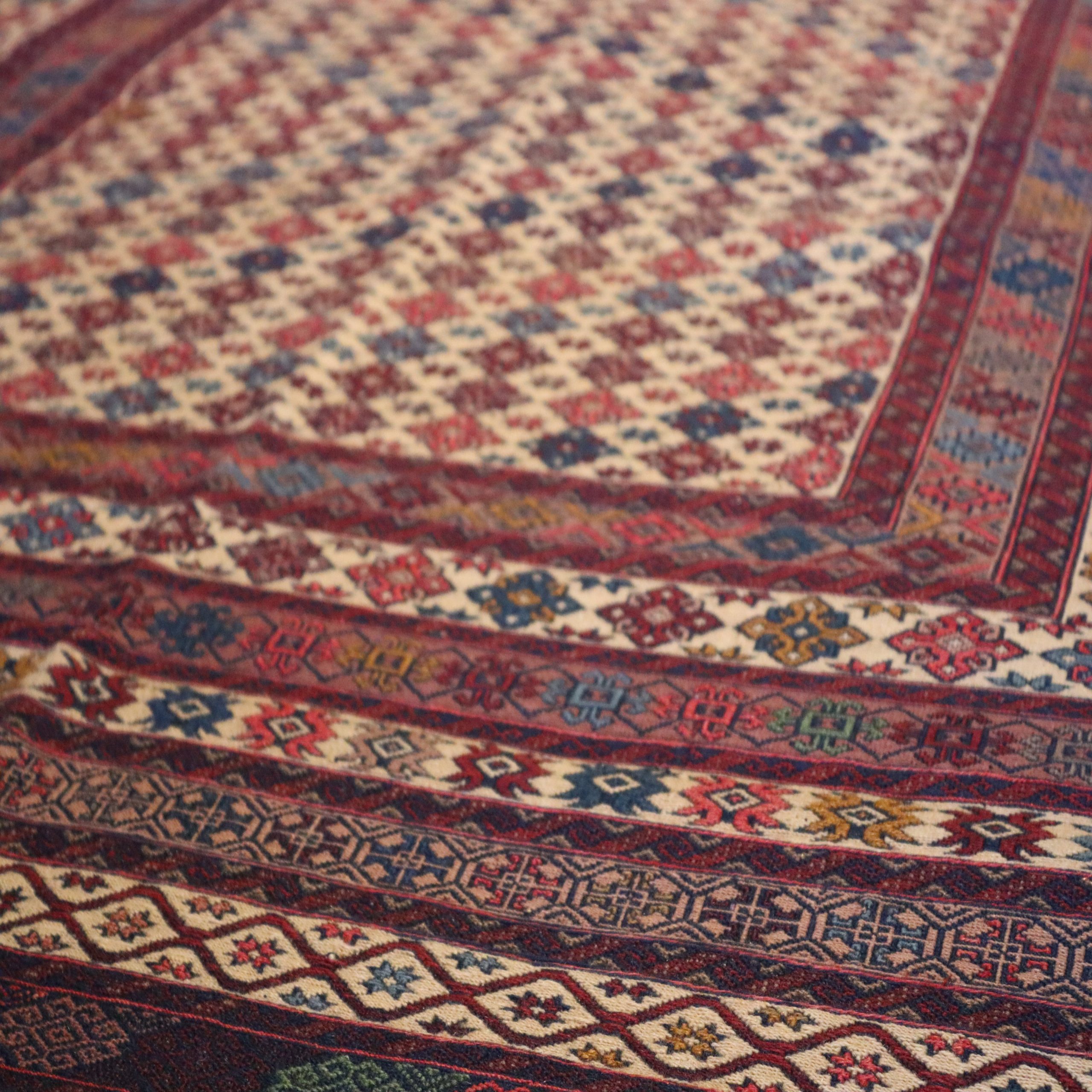
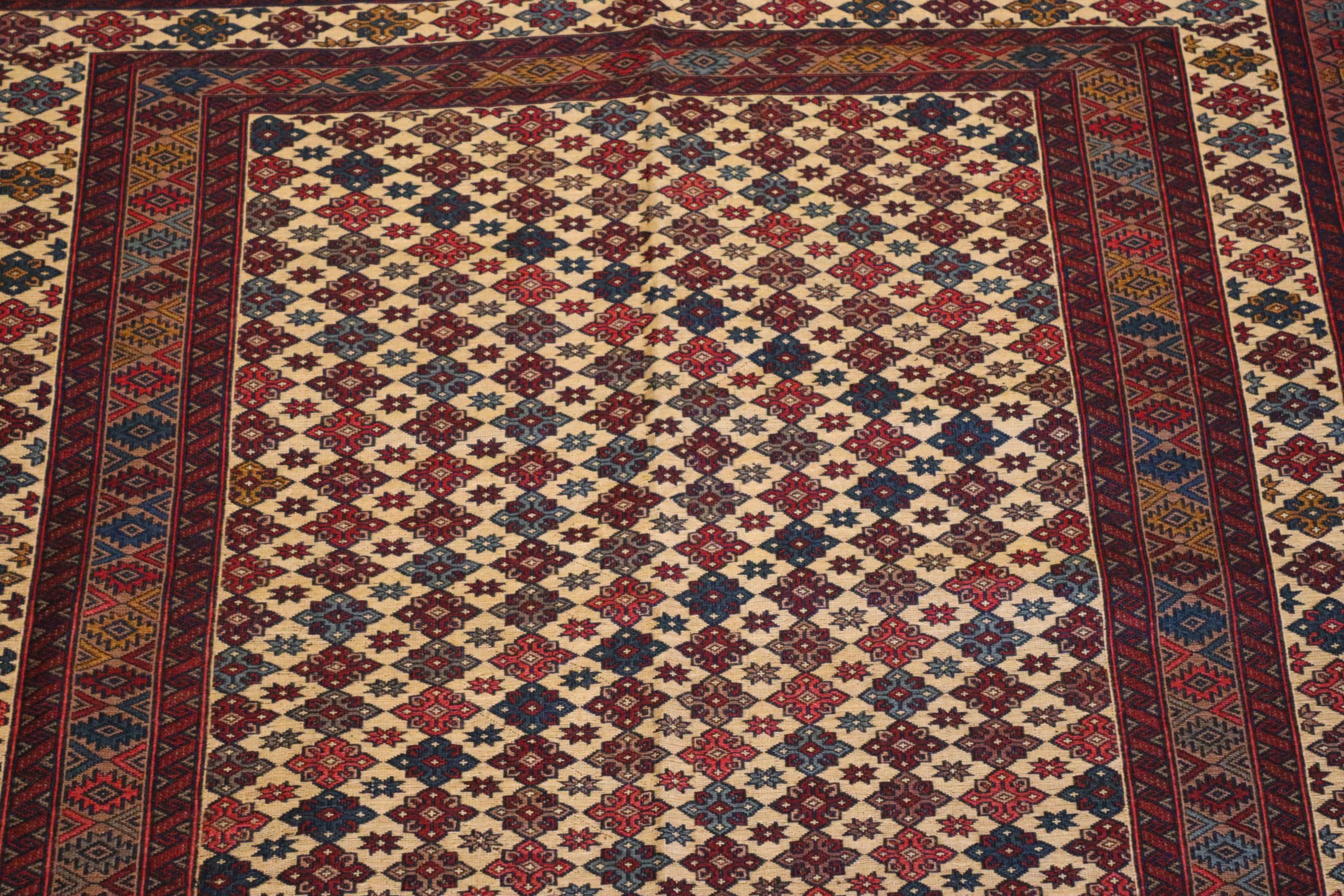
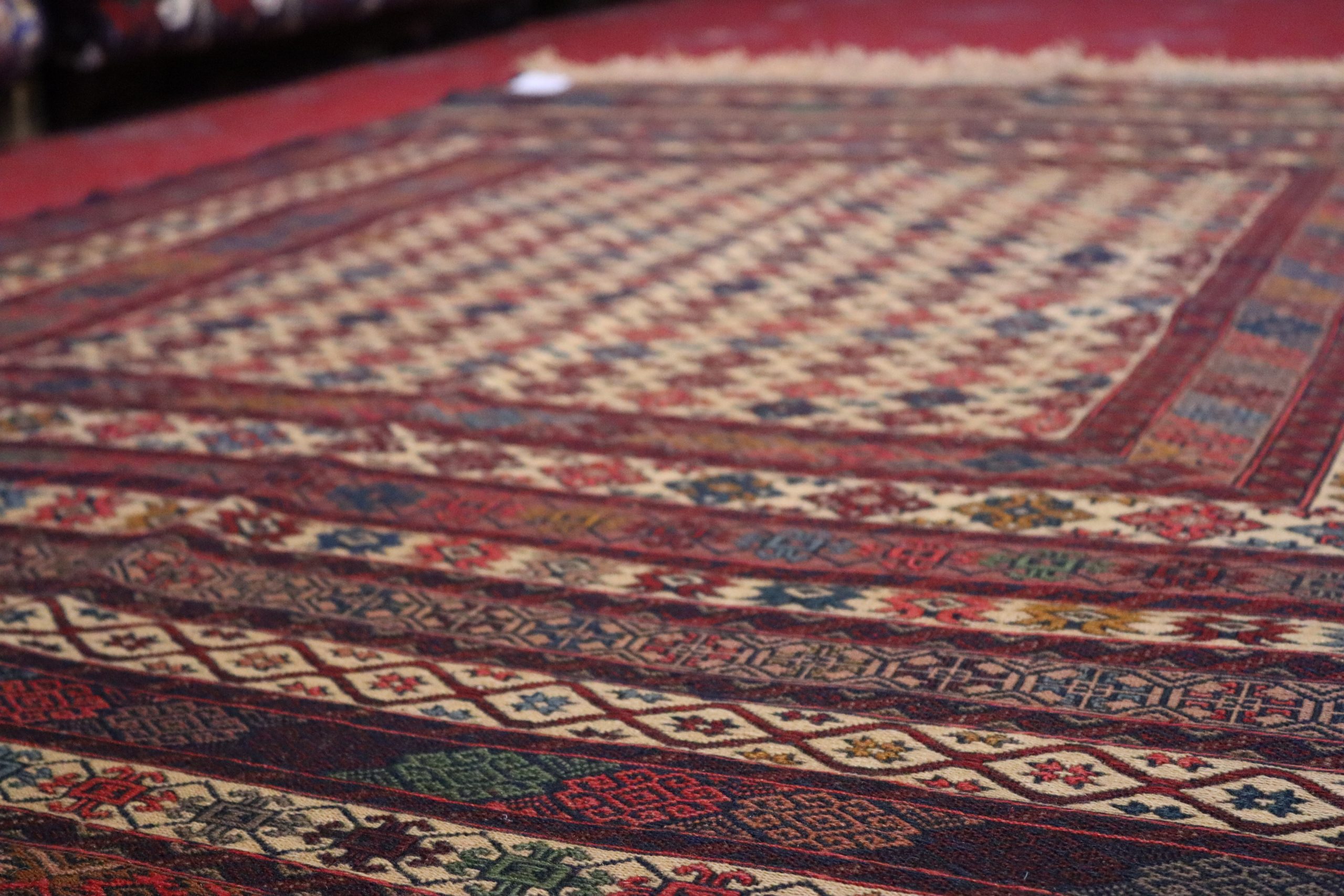
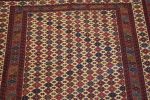
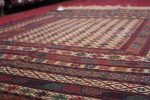
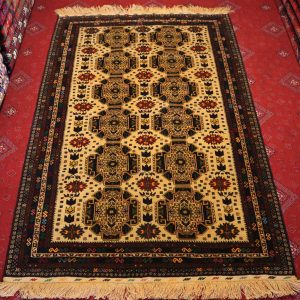
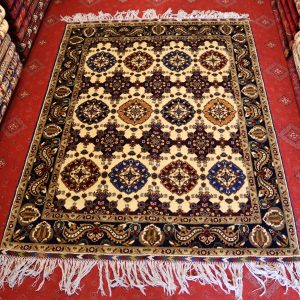
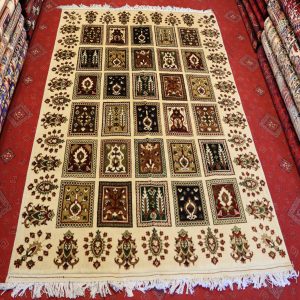
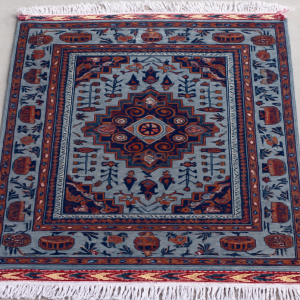
Geometric designs (diamonds, stars, zigzags)
-
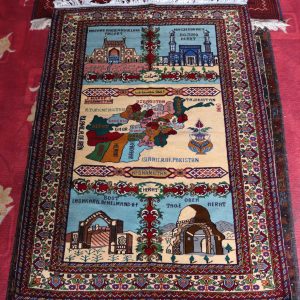
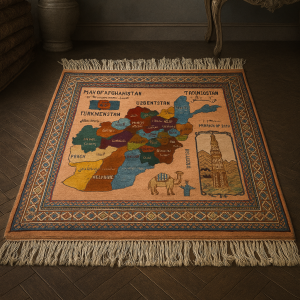
Symbolic motifs inspired by nature and tribal culture (animals, trees, ethnic elements)
-
-
Major Kilim-Weaving Regions in Afghanistan:
-
Herat (especially Rabat-e Sangi – famous for star-patterned kilims)
-
Balkh (designs similar to Turkmen kilims)
-
Bamyan and Daykundi (simpler kilims with earthy tones)
-
-
Uses:
-
Serves as floor coverings, wall hangings, furniture covers, and even handbags
-
Holds significant artistic, cultural and economic value for local weavers
-
Difference Between Kilims and Regular Carpets:
-
Kilims are flat-woven (no pile), while traditional carpets have knotted pile.
-
Kilims are generally lighter and more flexible.

Reviews
There are no reviews yet.